
1,466 amended EHC plans were outstanding on 4 September. New plans are 74% on time, but the council needs 441 amendments a month and managed 137 in August.
Central Bedfordshire had 1,466 amended education, health and care (EHC) plans still to finalise at the start of September. Each one belongs to a child or young person whose annual review has already decided that their plan needs changing.
The figure comes from the council’s own SEND data report, published for the SEND Sub-Committee on Friday 2 October. (SEND Partnership Data Dashboard report, paragraph 24)
The same report shows the other half of the picture has improved sharply. New EHC plans are now far more likely to arrive within the legal 20-week limit than they were a year ago.
The backlog, in the council’s numbers
The report sets out the position on the council’s operational dashboard at 4 September 2026:
- 2,281 cases where the annual review decision was to amend the plan
- 986 of those had a draft amended plan recorded
- 46 had a data-quality problem
- 1,249 were still waiting for a draft
- 1,466 amended final plans were outstanding
The council expects around 60% of annual reviews to lead to an amended plan. On the current pattern of reviews, that is about 197 new amendments every month. (paragraph 23)
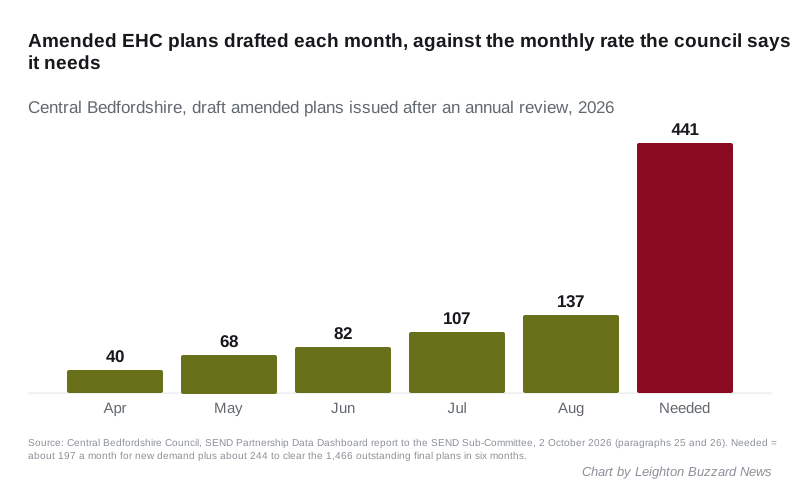
To clear the 1,466 outstanding final plans over six months, officers say it would need about 244 extra plans a month on top of that. Their planning target is therefore around 441 amendments a month. (paragraph 26)
Output is rising, but it is a third of the target
Monthly output has grown every month since April. The report gives these figures: (paragraph 25)
| Month (2026) | Draft amended plans | Final amended plans |
|---|---|---|
| April | 40 | 24 |
| May | 68 | 42 |
| June | 82 | 53 |
| July | 107 | 74 |
| August | 137 | 90 |
A further 30 drafts and 14 finals had been issued by 4 September. August’s 137 drafts is more than three times April’s figure. It is also less than a third of the 441 a month the council says it needs.
To close the gap, the council is recruiting four permanent officers for new amendments. Five agency officers will work on the backlog. The report says plainly that “existing capacity alone has not been sufficient to meet demand”.
New plans: from 40% on time to 74%
New EHC plans have moved the other way. In January to March 2026, 74.2% were issued within 20 weeks, excluding exceptions. A year earlier the figure was 39.8%, and in the last quarter of 2025 it was 65.9%. (paragraphs 5 and 16)
Demand is still climbing. There were 263 requests for an EHC needs assessment in the first quarter of 2026, the highest first-quarter total in the four years the report compares. Schools and other education providers made 164 of them, and parents or young people made 93.
Fewer requests now lead to an assessment:
- 88.5% were agreed in the first quarter of 2023
- 69.0% in 2024
- 56.9% in 2025
- 52.2% in 2026
So despite more requests, about 137 assessments were agreed, against about 134 a year earlier. The council says a greater share of requests is “now being resolved without progressing to a statutory assessment”.
How Central Bedfordshire compares
In January 2025, 6.3% of pupils at Central Bedfordshire schools had an EHC plan. The average was 5.3% across England and 5.4% among similar councils. Autism is the most common primary need. (paragraph 9)
Results for children with SEND remain behind. In 2025, 7% of Central Bedfordshire pupils with an EHC plan met the expected standard in reading, writing and maths at the end of primary school. That compares with 9% nationally. For pupils on SEN Support the local figure was 20%, against 29% nationally.
Still under government monitoring
Central Bedfordshire and its NHS partners have been on an Accelerated Progress Plan agreed with the Department for Education since a SEND inspection. (Accelerated Progress Plan update)
After a review meeting on 2 March 2026, the department wrote that it recognised “significant progress”. It added that it was “not yet in a position to consider ceasing the APP”. One of the areas still under watch is oversight of children on part-time timetables.
A follow-up review had been expected in September. The update now says that review “is not now expected to take place”, and that talks about future oversight are continuing.
What it means for you
If your child’s annual review decided their plan should change and you are still waiting for the amended plan, you are one of a large group. The council’s own figures show the wait is a system-wide problem, not a local quirk at your child’s school.
- Ask for an update in writing. Central Bedfordshire’s EHC team handles reviews.
- Get free, independent advice. Central Bedfordshire SENDIASS is a statutory service that works at arm’s length from the council. It is on 0300 300 8088 or support@sendiass.co.uk.
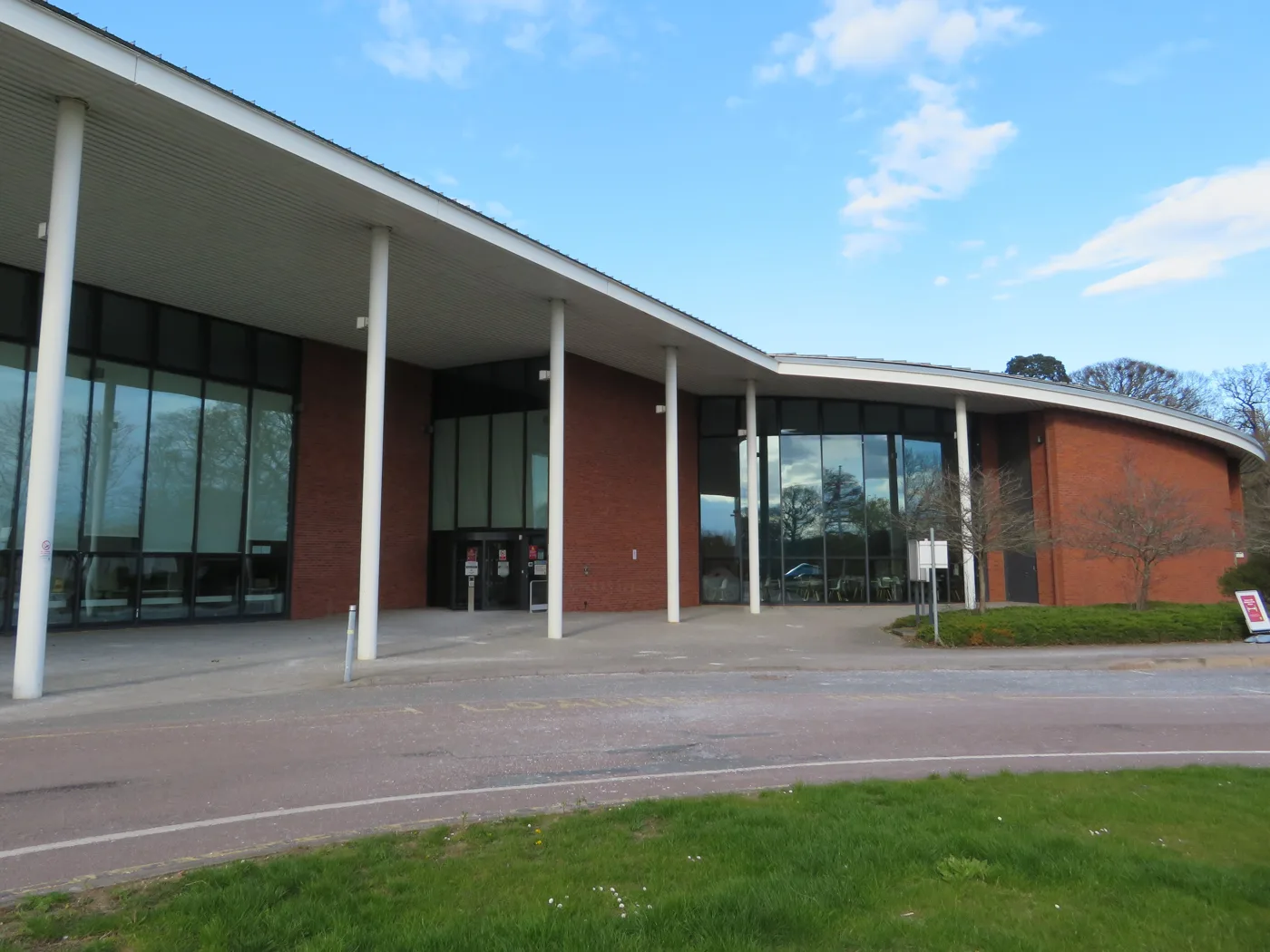
- Watch Friday’s meeting. The SEND Sub-Committee meets at 9.30am on 2 October at Priory House, Chicksands. The agenda and papers are online.
The sub-committee is also due to receive an update on the council’s wider SEND Reform Plan on 10 November 2026. In June, councillors heard that £56 million, around 90% of the council’s schools-grant deficit, could be written off if the Department for Education approves that plan. (minutes, 16 June 2026)
For more on how the council is running school services this term, see our report on the scrutiny of school transport and the Leighton Buzzard school term dates.
Have your say