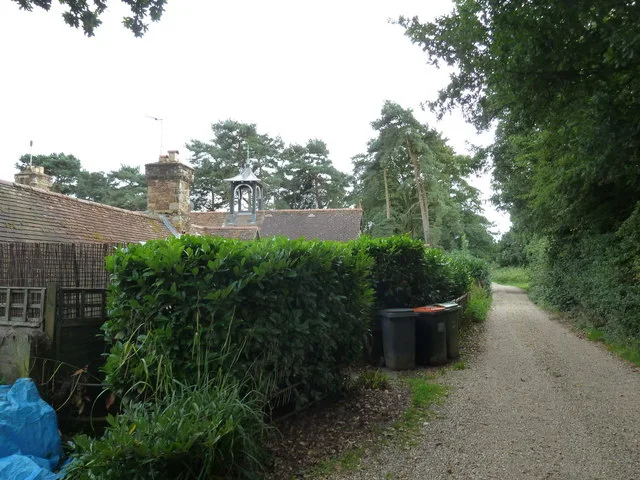

A blanket tree order now covers every garden on The Martins Drive and Bossington Lane in Linslade, back gardens included. Councillors decide on 21 October whether it stays.
Every tree in every garden on The Martins Drive and Bossington Lane in Linslade is now protected, including trees in back gardens that had never been protected before. Central Bedfordshire Council’s planning committee will decide on Wednesday 21 October whether to make that protection permanent.
The council made the new order, Tree Preservation Order No. 4/2026, on 19 May 2026. It took effect straight away, but only provisionally. Neighbours have objected, and officers recommend that the committee confirm it anyway.
Why the council made a new order
The estate already had tree protection. It dated from 1961, when Linslade was still in Buckinghamshire and the county council made an order over the gardens of a large house called The Martins. The estate was later built on that land and the house was demolished.
The officer’s report gives three reasons the 1961 order had to go:
- it was not being made available online because of its age, and the council needed its records to be accurate and up to date
- its boundary followed the garden layout of the old house, not the homes that stand there now
- as an “area” order, it only ever covered trees that were standing in 1961, so trees planted since then as replacements had no protection
The new order covers “trees of whatever species” across the whole estate, as the old one did. Because it is dated 2026, it now catches every tree standing on 19 May this year, young trees included. The report says the council made an area order because it “is simply unable to allocate the resources needed to survey the location of all individual trees within the estate”.
What the objectors say
The council has published six redacted comments from neighbours alongside the report. The report summarises the objections:
- the order now covers the whole estate, back gardens included, where owners say many trees cannot be seen from the street and have no public impact
- some of the trees are small and have been clipped regularly by their owners for years, who now object to having to apply for permission to keep doing so
- some gardens previously outside the protection are now inside it, including some that have no trees at all
- it is not always clear what counts as a tree and what counts as a shrub
What officers say in reply
Officers point to other “woodland garden estates” in Leighton Buzzard that already have blanket cover over front and back gardens: Redwood Glade, Heath Court and The Heath. They say young trees in back gardens are protected because they may grow to be seen beyond the garden as they mature.
The report also says the council would not object to felling or pruning small ornamental garden trees, or trees that will soon outgrow their spot. Its argument is about the long run: without protection for young trees, it says, these estates “will end up with no age-continuity for future generations, and will therefore disappear with old age”.
On the tree or shrub question, the report says an order does not legally cover shrubs or hedges, and that the council can arrange a site visit where it is unclear.
What it means for you
If you live on The Martins Drive or Bossington Lane, the order applies to you now, whatever the committee decides next week. Until it is confirmed or lapses:
- you need the council’s written permission before you cut down, top, lop or uproot any tree in your garden, under the order itself
- shrubs and hedges are not covered, the report says
- for a dead tree, government guidance says you must give the council five working days’ written notice before working on it
The council says on its tree protection page that working on a protected tree without permission is illegal and can bring a fine of up to £20,000. You can search the council’s register to check whether a tree is covered.
What happens next
The Development Management Committee meets at 9.30am on Wednesday 21 October. The agenda lists the order as item 14. The committee can confirm it as made, confirm it with changes, or decline to confirm it.
The report says the order must be confirmed before the provisional order expires on 19 November 2026. Government guidance says provisional protection lasts six months unless the council confirms the order or decides not to.
We will report the decision. Other Linslade and Leighton Buzzard planning items are on our planning news page.
Have your say